
Pentagon Integrates AI into Military Strategy, Redefining Modern Warfare
The Pentagon is aggressively integrating AI into its military operations, transforming cybersecurity, targeting, and command systems into a unified warfare architecture. This strategic shift marks a pivotal moment in the evolution of modern warfare, emphasizing autonomous capabilities and advanced cyberwarfare.
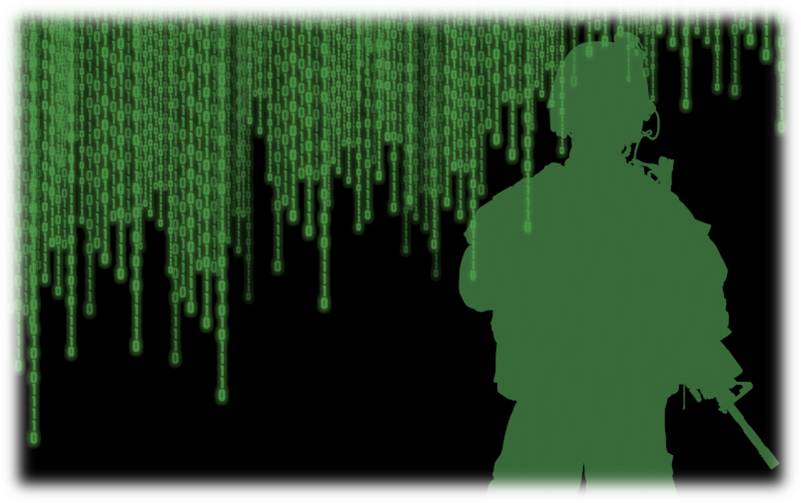
The United States military is undergoing a profound transformation, with artificial intelligence at the core of its new strategic doctrine. This integration extends beyond mere technological upgrades, aiming to create a cohesive and highly efficient warfare system that leverages AI for everything from intelligence gathering to predictive analytics and autonomous decision-making in certain contexts.
This shift is driven by the recognition that future conflicts will increasingly be fought in the digital domain and with advanced autonomous systems. AI's ability to process vast amounts of data, identify patterns, and operate at speeds beyond human capacity offers a significant strategic advantage in areas like cyber defense, offensive cyber operations, and precision targeting.
However, the adoption of AI and autonomous weapons also raises complex ethical and operational questions. Debates around accountability, the potential for unintended escalation, and the 'human in the loop' principle are ongoing. The Pentagon's strategy will need to carefully navigate these challenges while maintaining its technological edge.
The convergence of AI, cyberwarfare, and autonomous weapons signals a new era of military power, where technological superiority could be as crucial as traditional military might. This development will undoubtedly influence global geopolitical dynamics and prompt other nations to accelerate their own AI military research and deployment efforts.